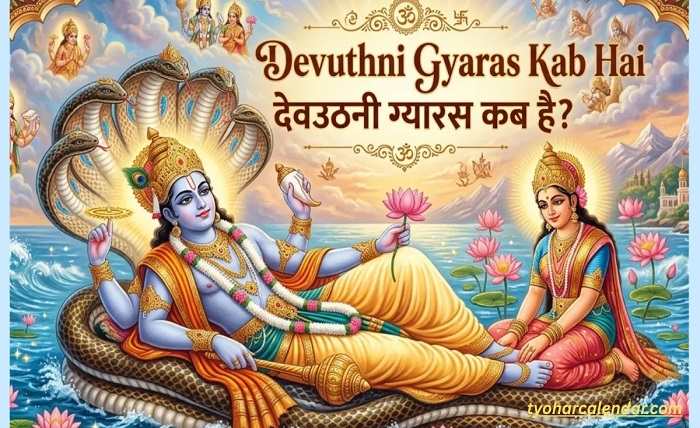
If you are searching for gyaras kab hai, you are likely looking for the exact date and importance of this sacred Hindu fasting day. Gyaras, also known as Ekadashi, is observed on the eleventh day (Ekadashi Tithi) of both the waxing (Shukla Paksha) and waning (Krishna Paksha) phases of the lunar month. Devotees across India observe this fast to seek the blessings of Lord Vishnu, attain spiritual growth, and purify the mind and body. Understanding gyaras kab hai helps devotees prepare for fasting, prayers, and other religious activities in advance.
In 2026, there are multiple Ekadashi (Gyaras) dates throughout the year because gyaras kab hai depends on the Hindu lunar calendar rather than the Gregorian calendar. Every month has two Ekadashi observances, making it one of the most frequently observed and spiritually significant fasts in Hinduism.
What Is Gyaras and Why Is It Celebrated?
The question gyaras kab hai often comes with another important question: what exactly is Gyaras? Gyaras is another popular name for Ekadashi, especially in Rajasthan, Madhya Pradesh, Gujarat, Uttar Pradesh, and several northern Indian states. The word “Gyaras” is derived from the Hindi word “Gyarah,” meaning eleven, referring to the eleventh lunar day.
The observance of gyaras kab hai is important because devotees believe that fasting on Ekadashi helps eliminate sins, improve concentration, and bring peace to life. According to Hindu scriptures such as the Padma Purana and Skanda Purana, Lord Vishnu declared Ekadashi one of the most auspicious days for worship and spiritual discipline.
When devotees ask gyaras kab hai, they are usually planning to observe a complete or partial fast. Many avoid grains and consume only fruits, milk, and specific fasting foods. The spiritual significance of this day is believed to be much greater than ordinary fasting.
Another reason people search gyaras kab hai is that different Ekadashi fasts have unique names and stories. Examples include Nirjala Ekadashi, Devshayani Ekadashi, Putrada Ekadashi, Mohini Ekadashi, and Vaikuntha Ekadashi. Each has its own religious importance and associated legends.
Gyaras Kab Hai in 2026? Month-Wise Ekadashi Dates
If your primary concern is gyaras kab hai, here is a general overview of the Ekadashi observances during 2026. Since the exact fasting date may vary slightly depending on your city and local Panchang, always verify with your regional calendar.
Some of the major gyaras kab hai observances include:
| Month | Major Gyaras (Ekadashi) |
|---|---|
| January | Putrada Ekadashi |
| February | Jaya Ekadashi |
| March | Amalaki Ekadashi |
| April | Kamada Ekadashi |
| May | Mohini Ekadashi |
| June | Nirjala Ekadashi |
| July | Devshayani Ekadashi |
| August | Putrada Ekadashi |
| September | Parivartini Ekadashi |
| October | Papankusha Ekadashi |
| November | Devutthana Ekadashi |
| December | Mokshada Ekadashi |
Whenever you search gyaras kab hai, remember that the fasting date depends on the Ekadashi Tithi during sunrise according to Hindu tradition. Different regions may occasionally observe the fast on slightly different dates due to time-zone and Panchang calculations.
Importance of Gyaras in Hindu Religion
Knowing gyaras kab hai is not only about marking a date on the calendar but also understanding its spiritual importance. Ekadashi is regarded as one of the holiest fasting days dedicated to Lord Vishnu.
According to Hindu beliefs, observing gyaras kab hai with devotion helps cleanse negative karma accumulated through past actions. Devotees believe that sincere fasting brings prosperity, health, wisdom, and inner peace.
The scriptures explain that on gyaras kab hai, the senses become easier to control through fasting, meditation, and prayer. This self-discipline strengthens spiritual awareness and encourages a life of compassion and righteousness.
Another reason why gyaras kab hai is widely observed is the belief that Lord Vishnu especially blesses those who chant Vishnu Sahasranama, read the Bhagavad Gita, and participate in devotional singing on Ekadashi.
Many temples organize special prayers on gyaras kab hai, attracting thousands of devotees who gather for darshan, bhajans, and religious discourses.
How to Observe Gyaras Fast Properly
Understanding gyaras kab hai is only the first step. Knowing how to observe the fast correctly is equally important.
Many devotees begin preparing for gyaras kab hai the previous evening by eating a simple vegetarian meal before sunset. They avoid onion, garlic, grains, rice, wheat, lentils, and certain vegetables during the fast.
On gyaras kab hai, devotees wake up early, bathe, wear clean clothes, and offer prayers to Lord Vishnu and Goddess Lakshmi. Many decorate the home temple with flowers and light a diya.
During gyaras kab hai, devotees chant Vishnu mantras, read sacred scriptures, perform meditation, and spend time in spiritual activities rather than worldly distractions.
Some people observe a Nirjala fast on gyaras kab hai, avoiding both food and water throughout the day. Others consume fruits, milk, dry fruits, and fasting-friendly foods depending on their health and family traditions.
The fast is generally broken on Dwadashi, the following day, after the appropriate Parana time. Observing gyaras kab hai according to proper rituals is believed to maximize the spiritual benefits.
Benefits of Observing Gyaras
Many devotees search gyaras kab hai because they believe the fast offers both spiritual and practical benefits. Hindu scriptures describe numerous blessings associated with Ekadashi fasting.
One important benefit of gyaras kab hai is spiritual purification. Devotees believe fasting reduces attachment to material desires and strengthens devotion to God.
Health-conscious individuals also appreciate gyaras kab hai because occasional fasting may provide digestive rest when practiced safely and according to individual health needs. However, anyone with medical conditions should consult a healthcare professional before fasting.
Families observe gyaras kab hai together to strengthen religious values and encourage younger generations to participate in traditional practices.
Another reason gyaras kab hai remains popular is the belief that regular Ekadashi fasting promotes mental discipline, patience, gratitude, and emotional balance through prayer and self-control.
Many devotees also donate food, clothes, or money to the needy on gyaras kab hai, considering charity an important part of spiritual practice.
Common Myths and Facts About Gyaras
When people search gyaras kab hai, they often encounter myths and misconceptions. Understanding the facts helps observe the fast correctly.
One myth related to gyaras kab hai is that everyone must observe a waterless fast. In reality, fasting methods vary depending on age, health, and family traditions.
Another misconception is that gyaras kab hai is celebrated only once a year. Actually, Ekadashi occurs twice every lunar month, resulting in around twenty-four observances annually, with occasional additional Ekadashis in leap lunar years.
Some believe that gyaras kab hai only benefits older people. However, devotees of all ages participate according to their physical ability and religious beliefs.
A common question linked with gyaras kab hai is whether working professionals can observe the fast. The answer is yes. Many people continue their daily responsibilities while following dietary restrictions and spending additional time in prayer.
Some also think missing one gyaras kab hai fast brings bad luck. Hindu teachings instead emphasize sincere devotion over fear, encouraging worship according to one’s capacity.
Tips to Prepare for Gyaras
Planning ahead after finding gyaras kab hai makes fasting easier and more meaningful. Preparation ensures both physical comfort and spiritual focus.
Before gyaras kab hai, purchase fruits, milk, nuts, and fasting ingredients if you intend to observe the fast. Preparing these items in advance reduces unnecessary activity on the fasting day.
If you are observing gyaras kab hai for the first time, choose a fasting method suitable for your health and experience. Beginners often start with a fruit-based fast rather than a complete waterless fast.
Reading the story associated with the specific gyaras kab hai being observed adds greater spiritual understanding. Each Ekadashi has unique legends highlighting faith, compassion, and devotion.
Families can celebrate gyaras kab hai by praying together, reading the Bhagavad Gita, singing bhajans, and performing acts of kindness. Such practices enhance the spiritual atmosphere of the day.
Finally, always consult your local Panchang to confirm gyaras kab hai according to your city because the precise fasting date and Parana timing may vary slightly.
Conclusion
Understanding gyaras kab hai helps devotees observe one of Hinduism’s most sacred fasting traditions with devotion and proper preparation. Gyaras, or Ekadashi, is much more than a calendar date—it represents self-discipline, spiritual purification, devotion to Lord Vishnu, and an opportunity to strengthen one’s faith.
Whether you observe a complete fast, a fruit-based fast, or simply spend the day in prayer, knowing gyaras kab hai allows you to participate meaningfully in this ancient tradition. Always refer to your local Panchang for the exact date and fasting timings, as they may differ slightly by location. With sincere devotion and righteous conduct, Gyaras continues to inspire millions of devotees every year.
FAQs
1. Gyaras kab hai?
Gyaras kab hai depends on the Hindu lunar calendar. Ekadashi occurs twice every lunar month, and the exact date varies according to the Panchang.
2. Is Gyaras and Ekadashi the same?
Yes. Gyaras kab hai refers to the same sacred fasting day known as Ekadashi, observed on the eleventh lunar day.
3. What foods are allowed on Gyaras?
On gyaras kab hai, many devotees consume fruits, milk, dry fruits, sabudana, water chestnut flour, and other fasting-approved foods while avoiding grains and lentils.
4. Which deity is worshipped on Gyaras?
On gyaras kab hai, Lord Vishnu is primarily worshipped. Many devotees also pray to Goddess Lakshmi for prosperity and blessings.
5. Why is Gyaras considered auspicious?
Gyaras kab hai is considered highly auspicious because Hindu scriptures state that fasting, prayer, charity, and devotion on Ekadashi help purify the mind, strengthen faith, and promote spiritual growth.