
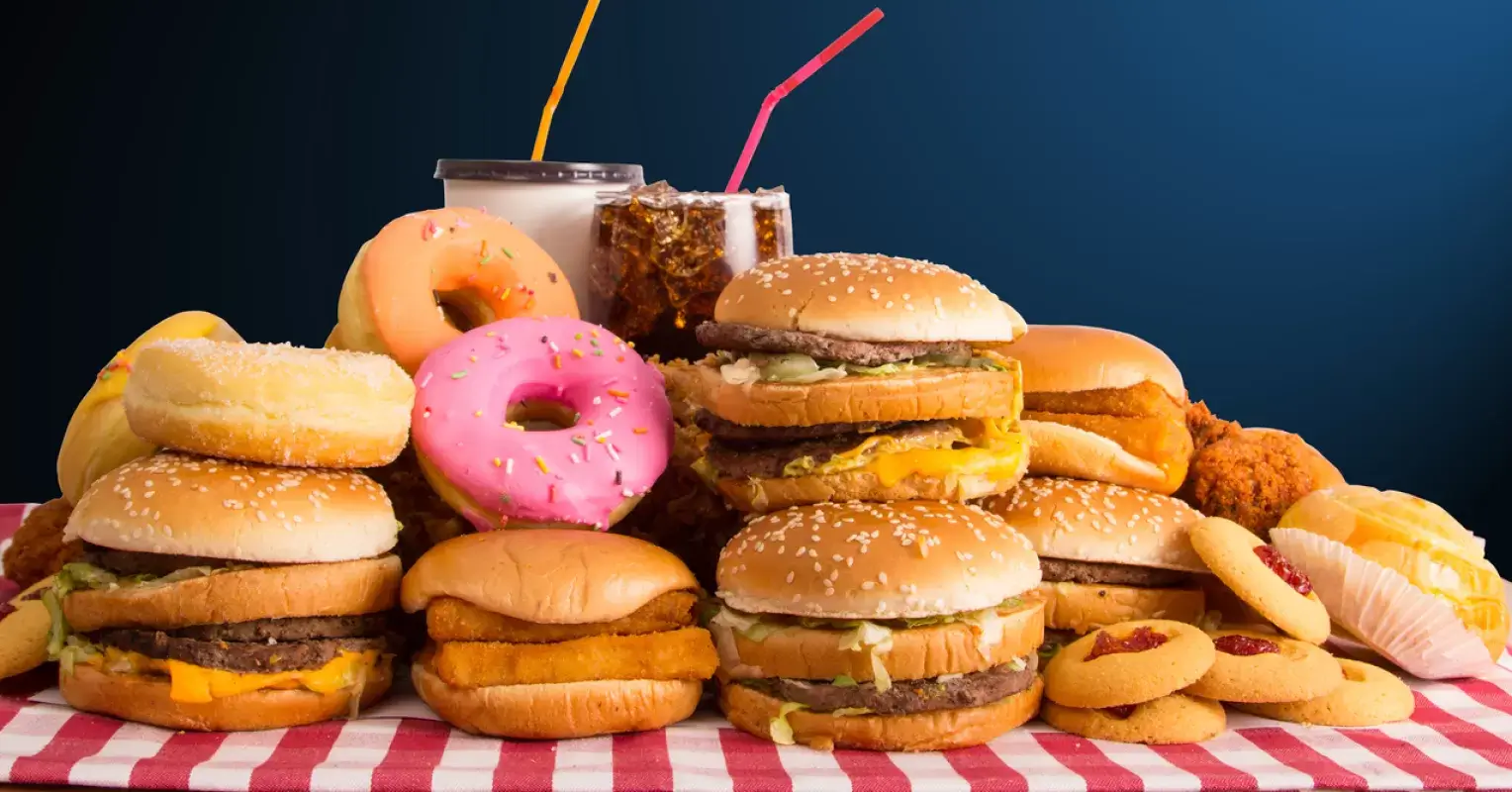
Fast food has now become more of a lifestyle than just a snack, not to mention that to most people, it is also an unstoppable addiction. Fast-food restaurants are booming in New York to Tokyo and in food in Stockport to prove that the necessity of fast and tasty food is not limited to one place. But what is the reason behind the prevalence of fast food all over the world, and why can people keep going back to eat even when they are aware that it is harmful to their health? The combination of psychology, effective advertisement, the tension of the contemporary lifestyle, and even genetic factors is likely to hold the solution.
The Science of Cravings for Fast Food
The purpose of fast food is to create addiction. A combination of sugar, unhealthy fats, and excessive salt found in most fast-food products activates the brain’s reward system. Your brain generates dopamine, the “feel-good” neurotransmitter linked to pleasure and contentment, when you eat a burger or some crispy fries. This eventually establishes an environment in which the brain associates quick food with immediate joy, resulting in cravings that are nearly impossible to resist.
Fast food is intended to provide an instant sensory overload, in contrast to home-cooked meals. The sugary taste of carbonated beverages, the crunch of fried chicken, and the softness of a warm bun all combine to arouse several sensations at once. Fast food feels more appealing than conventional meals due to this combination of elements, which hooks people.
Convenience in a World That Moves Quickly
The easy availability of fast food is a major factor in its continued popularity. Individuals in today’s fast-paced society have limited time to prepare well-balanced meals because they are balancing job, family, & social obligations. Fast food is the ideal solution for that disparity. With late-night availability, app-based delivery, as well as drive-thrus, fast-food franchises have options at every time of day.
A very wide variety of quick dinner alternatives are available, even in tiny communities. An example of this would be in Stockport, where there are too many fast-food restaurants almost on every main street. All the easy food options that one can access, such as late-night pizza or fast breakfast wraps, enable making it easier to place expediency over health.
Marketing and Branding Orders
It is not just the food that is provided by fast-food chains, but something more. They are very persuasive in their methods of advertisement. This is achieved by using bright colours, catchy slogans, and endorsement by celebrities to market fast foods as something fun, affordable, and also acceptable in the culture.
Many fast-food restaurants also target young clients who buy their toys, mascots, as well as kid-friendly meal packages. This early experience determines lifetime food habits. Adults often revert to their childhood cuisines as adults, and this enhances brand loyalty across the generations.
Social Culture and Emotional Comfort
Fast foods often have a social association. Families eat fried chicken on birthdays, workmates discuss pizza during lunch, and friends reunite and dine with food (burgers) after school. These social interactions form mental recollections related to specific food. The nostalgia causes a person to be drawn back, even on trying to minimise.
Also, fast food is convenient. Numerous individuals need to unwind after a hard day by having a savoury takeout. Psychological gratification is immediate, even without being sustained. It becomes a way of coping, hence the reason why giving up the habit may be as difficult as the act of quitting smoking or caffeine coffee.
Cost-effectiveness and Value Perception
Pricing is a major contributing element to the global increase in fast-food addictions. In general, fast food is less expensive than healthy options, particularly in cities. A meal package that includes a burger, fries, as well as a drink is frequently less expensive than preparing an entire dinner at home. Fast food seems to be the most affordable option for individuals who are always on the go, are students, or have come from low-income homes.
In order to render it even more alluring, restaurants frequently provide discounts, package offers, as well as loyalty programs. Regardless of the long-term medical costs, consumers are persuaded that fast food offers excellent value by the concept of “more food for less money.”
Globalisation and Cultural Impact
The popularity of fast food additionally increased significantly as a result of internationalisation. Foreign chains modify their menus to accommodate regional preferences; for example, they may serve vegetarian wraps in India, kosher alternatives in the UK, and spicy chicken in Asia. Through doing this, they preserve their brand character while giving fast food a more local flavour.
The idea that fast food is exclusively Western has changed. It is currently a worldwide trend that stands for ease of use, modernism, and social integration. Fast food has been ingrained in daily life, whether it’s sushi burgers in Tokyo or cuisine in Stockport.
Conclusion
Addiction to fast food involves a complicated combination of knowledge, tradition, accessibility, as well as emotion; it’s not just about taste. It satisfies our schedules, engages our senses, & offers solace during trying times. For this reason, it still rules towns, cities, and even the suburbs that sell food in Stockport.