
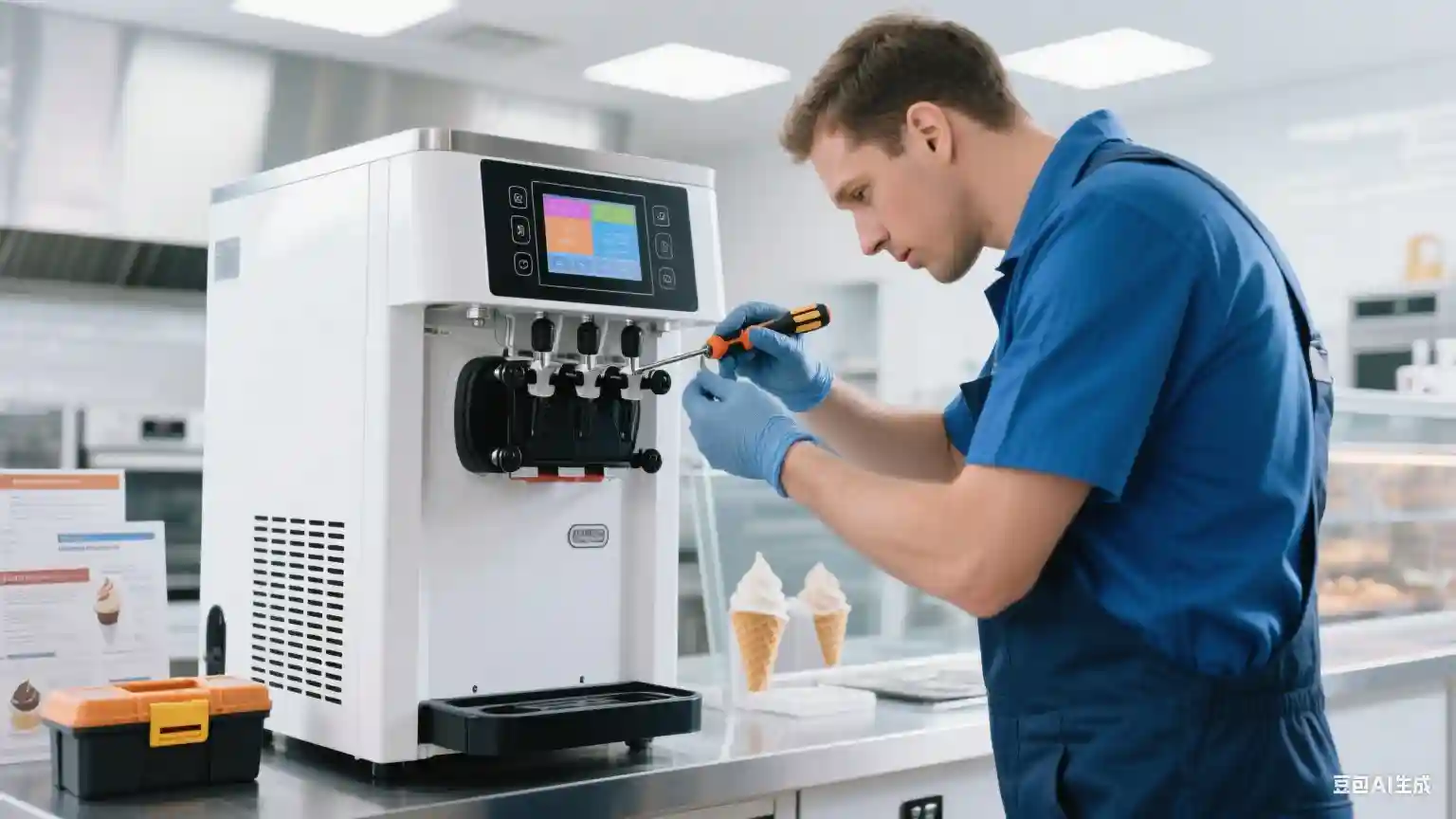
Either in a hotel kitchen or in a high-volume parlour, an ice cream machine is a good commercial investment. Profit, product quality, and customer satisfaction directly depend on its dependability. With freezing systems, sophisticated dashers, and precise temperature controls that call for close attention, the machines are, however, quite technical. Ignoring routine upkeep leads to a chain reaction of problems: off-texture, flavour carryover, bacterial accumulation, and ultimately pricey failures and lost income.
Preventative maintenance guarantees each serving of your premium is produced and keeps the core of the machine in great shape, in addition to anti-ageing. Central to all of this is using the right gear, such as the 013074 Taylor Polypropylene Bristle Brush, which is designed to properly clean sensitive components without damaging them, prolonging the unit’s life and safeguarding your investment.
Regularly Inspect Used Components
Before failure, pre-emptively inspect critical parts for any signs of wear. Check beater blades for sharpness and orientation; dull blades will fail to adequately aerate the mix, producing a heavy, chilly product. Check door gaskets for resilience loss or cracks, which would let temperature leak. Check the drive belt for stretching or fraying. Precise diagnosis at Early stages allows regular, low-cost component replacement during nonpeak output.
This helps your machine run smoothly during company peak hours, therefore preventing the catastrophic mid-service failures resulting in significant downtime and lost income.
Moving Part Lubrication
To run without problems and minimise wear, some ice cream makers have moving components that have to be lubricated often. Check your instruction manual to see which components, including the dasher bearings or the drive mechanism, call for lubrication and what kind of food-grade grease is needed. The inappropriate grease will flavour the product and damage the machine.
Usually, during the weekly deep clean, apply lubricant sparingly and according to schedule. To guarantee silent and effective use, this one step reduces friction, reduces strain on the motors, and extends the life of vital mechanical components.
Improve overrun control and air gap.
The “overrun” is the amount of air introduced to the ice cream while it is freezing that will give it body and texture. The air gap arrangement on the machine controls it. An unsuitable setting will generate either too hard and cold (low overrun) or too weak and fluffy (high overrun) product. Inspect and modify this value. EveNowd then, based on your recipe and the manufacturer’s instructions.
Normal overrun not only guarantees a well-made product but also guarantees the machine does not overwork, which can overload the dasher motor and compressor, leading to premature wear.
Maintain checks on the compressor and refrigerant levels.
At the centre of the freezing system is the compressor. Keep an ear out for unusual noises like grinding or banging that might indicate something is incorrect. You can watch the performance even if only a certified engineer can handle refrigerant. If the machine is cycling on and off due to a low refrigerant or compressor trouble can cause it to operate oddly. Arrange for rapid expert help. Letting these symptoms go on might cause complete compressor burnout, one of the most expensive repairs an ice cream unit can have.
Train All Personnel Properly on Correct Operating Procedures
Proper operation is essential to longevity. See that all personnel who operate the machine are well-trained. This involves correct start-up and shut-down procedures, accurate loading of the mix, and knowledge of machine warnings and fault messages. Abuse in the form of slamming the beater when the mixture is as hard as ice or using metal pieces in the cylinder results in instantaneous, serious damage.
Proper training leads to the machine being handled gently by everyone who uses it, controlling its use and minimising the threat of human-error-related failures immensely.
Conclusion
The reliability and lifespan of a commercial ice cream machine are directly proportional to the degree to which it is serviced. A conscientious, preemptive regimen that integrates meticulous day-to-day cleanliness, regular thorough sanitising, and light inspection of parts is considerably cheaper than repair.
By investing the additional time to do it properly with the proper equipment and to properly train employees, you protect your machine from an early demise. Not only is this a matter of safeguarding your money investment, but it also ensures an even quality of the product that draws people back. In the end, a well-cared-for ice cream machine is not an appliance; it’s the trusted workhorse of your sweet business.