
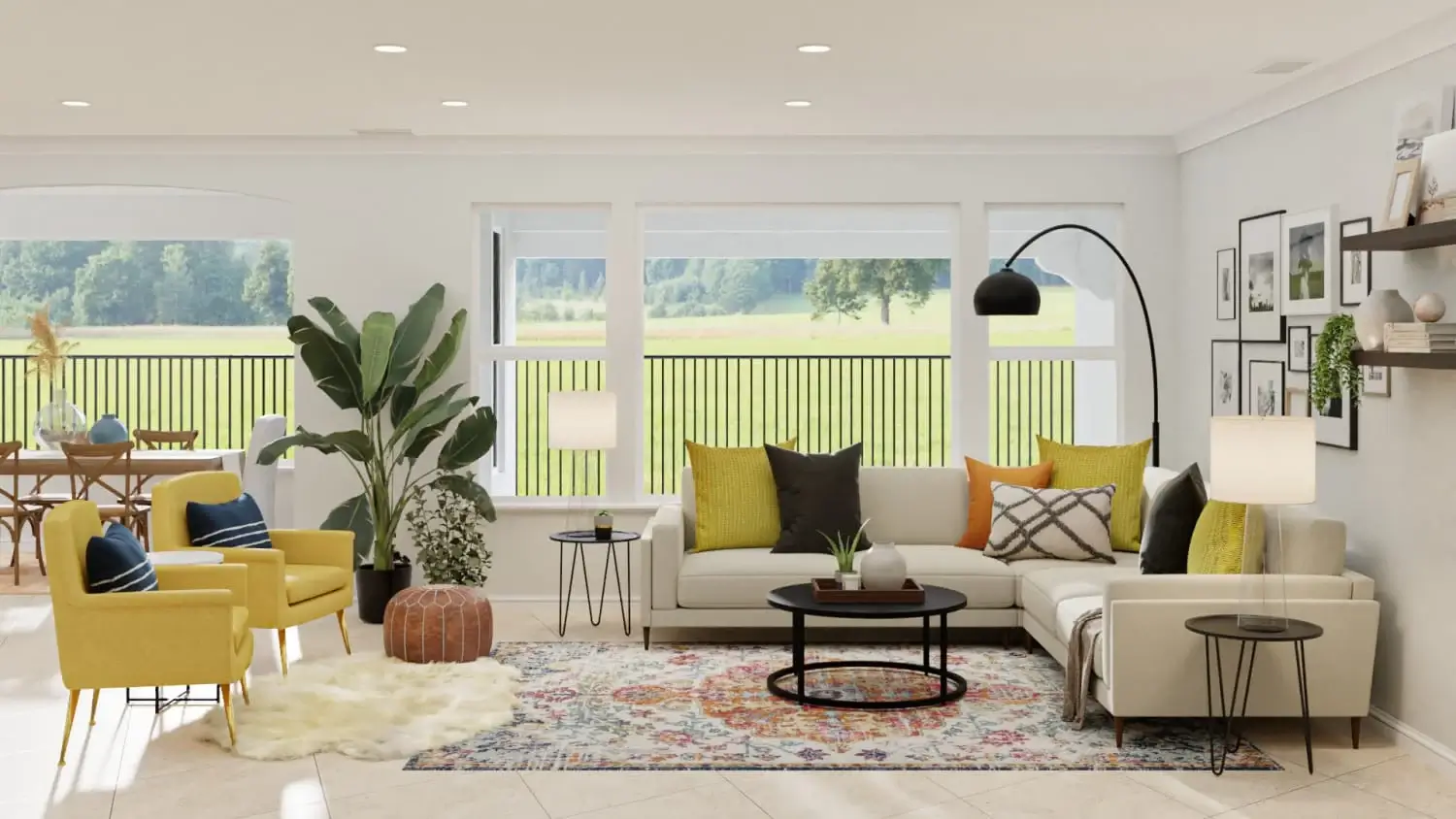
Every homeowner wants to create a space that seems both classic and modern. The key? striking the ideal balance between refinement and simplicity by combining old and modern décor elements. You may have the best of both worlds with this combination, which is frequently referred to as transitional style: the allure of traditional design combined with the practicality of modern living.
Don’t worry if you’re unsure where to begin; as an interior designer, We’ve put up a list of easy-to-follow guidelines to help you create a unified, fashionable look that expresses your own style.
Understand the Core Elements of Each Style
One should know what separates each style before combining.
- Clean lines, large spaces, muted colours and little clutter are the main features of modern design.
- Traditional design places a strong emphasis on colours that convey cosiness and elegance, rich materials, elaborate details, and vintage furniture.
If you combine traditional warmth with modern minimalist design, magic happens. Balance, not contrast, is the aim; each component should enhance the others.
Start with a Neutral Base
The most helpful tool when combining different looks is a neutral colour palette. Both modern and classic items can shine against a calm atmosphere created by colours like beige, cream, grey, and soft white.
After the foundation has been established, add colour accents using artwork, cushions, or décor. For instance, a contemporary grey sofa contrasted with a traditional patterned rug instantly adds personality without being overpowering.
Mix Furniture Pieces Thoughtfully
When arranging your furniture, see your room as a dialogue between several eras. You can place a contemporary sectional next to an old oak console or match a traditional tufted armchair with a sleek glass coffee table.
An interior designer’s expert advice is to keep a sense of proportion. If one piece is intricate and hefty, counterbalance it with something simple and light. Combining different elements, such as glass, wood, and metal, also helps the design come together.
Blend Accessories and Artwork
You can have fun with art and accessories. A contemporary abstract painting can infuse a conventional living space with fresh vitality. Conversely, brass accents or antique mirrors can give a sleek, contemporary room depth.
Keep in mind that the goal is to tell a story, not to match. Every component need to feel deliberate rather than haphazard.
Play with Lighting and Fixtures
Your room can be totally transformed by the lighting in it. Modern pendant lights may revitalise a classical hallway, while a traditional chandelier can make a striking statement in a minimalist dining room.
Making sure the lighting blends in with your overall layout and colour scheme is crucial. Warm light bulbs frequently go well with traditional decor and soften the edges of contemporary designs.
Create Visual Harmony with Repetition
Repetition of specific components, such as colours, textures, or patterns, can help your area feel cohesive. For instance, use brass in your lighting or décor elements if your furniture has brass handles.
Another option is to use the 80/20 rule, which states that one style should take centre stage (80%) while the other should provide an accent (20%). This method keeps the design from appearing disorganised.
Don’t Forget the Details
The real intersection of modern and traditional is in the details. Use rugs, cushions, and curtains to give comfort and keep in mind natural accents like plants to bring in some freshness and liveliness.
You may add your individuality to the room and bridge the gap between styles with even little accents like sculptures, flowers, or candle holders.
Conclusion
Blending modern and traditional decor isn’t about following strict rules; it’s about creating harmony. When done right, this transitional interior design feels timeless, welcoming, and effortlessly stylish.
Start with a neutral foundation, mix textures, balance proportions, and most importantly, make sure your space reflects you.
If you’re still unsure how to achieve that perfect blend, consulting an experienced interior designer can help you transform your vision into a beautifully balanced reality.